About industrial cement pipes
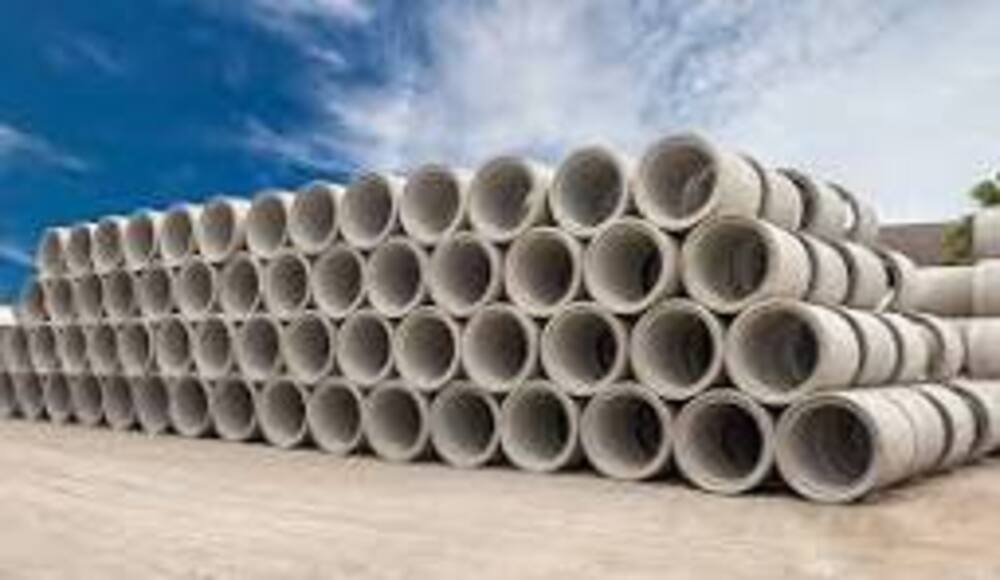
RCC Round Pipe (Reinforced Cement Concrete Pipe) Description
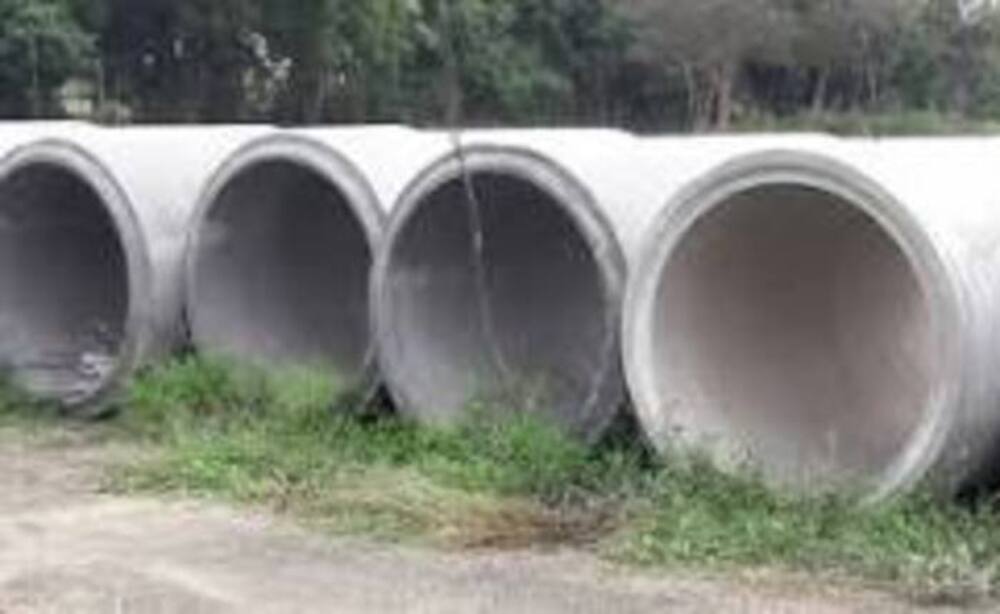
RCC round pipes are precast concrete pipes reinforced with steel, widely used in drainage, sewerage, irrigation, and culvert systems. They are known for their strength, durability, and ability to withstand heavy loads and harsh environmental conditions.
Basic Description
An RCC round pipe is a cylindrical pipe made from a mix of cement, sand, aggregates, and steel reinforcement. The steel provides tensile strength, while concrete handles compressive loads.
Key Features
High strength can carry heavy earth and traffic loads
Durability long service life often more than 50 years
Corrosion resistant suitable for water and soil exposure
Leak proof when properly jointed
Precast ensures uniform quality
Common Uses
Stormwater drainage systems
Sewer lines
Culverts under roads and railways
Irrigation channels
Industrial wastewater disposal
Types of RCC Pipes
Non pressure pipes used for drainage and sewer systems classified as NP2 NP3 NP4 based on load capacity
Pressure pipes used for water supply under pressure conditions
Standard Sizes
Diameter typically 150 mm to 2000 mm or more
Length usually 1 m to 2.5 m per pipe section
Classes as per IS 458
NP2 light load small drains
NP3 medium load road crossings
NP4 heavy load highways and railways
Jointing Methods
Spigot and socket joint
Collar joint
Rubber ring joint preferred for watertightness
Advantages
Economical for large scale drainage
Easy to install with machinery
Fire resistant and non combustible
Low maintenance
Limitations
Heavy requires lifting equipment
Brittle compared to plastic pipes
Difficult to cut or modify on site
If you want it in paragraph format or for a report or tender document, I can format it accordingly.
High-Capacity Performance for Demanding ApplicationsThese RCC pipes are engineered for durability and strength, making them ideal for industrial, municipal, and road construction projects. Each pipe offers high load-bearing capabilities, withstanding heavy vehicular traffic and maintaining structural integrity even in challenging environments and under hydrostatic pressure.
Optimized Flow and Easy InstallationThe smooth internal surface of each pipe ensures optimal water or sewage flow, minimizing blockages and maintenance. Multiple jointing options-such as rubber ring and collar joints-allow for flexible installation, while compatibility with cement mortar and rubber ring sealing ensures reliable, leak-proof connections.
Long-lasting and Low-Maintenance SolutionConstructed using centrifugal spun or vertical vibration casting processes and tested for chemical and corrosion resistance, these RCC pipes deliver a potential service life of up to 50 years. They withstand temperature variations from -10C to +50C and require minimal maintenance, even in aggressive soil conditions.
FAQ's of industrial cement pipes:
Q: How are these industrial cement pipes installed securely in buried applications?
A: These pipes use spigot and socket or collar joints with either cement mortar or rubber rings for sealing. High tolerance and optional bitumen coating aid in secure underground installation, ensuring long-term performance and leak resistance.
Q: What is the manufacturing process for these RCC pipes?
A: The pipes are made using advanced centrifugal spun or vertical vibration casting methods, resulting in a dense and uniform concrete structure. This process enhances both the strength and durability of the pipes.
Q: When should I choose these RCC pipes over alternative piping solutions?
A: Opt for these RCC pipes when high load-bearing capacity, resistance to corrosion and chemicals, and long-term durability are critical-such as in water supply, drainage, sewerage, and infrastructure projects under heavy vehicular traffic.
Q: Where can these cement pipes be used effectively?
A: They are suitable for industrial, municipal, and road construction projects, including stormwater drainage, sewerage systems, water mains, and culverts. Their robust design supports buried installations in various soil and load conditions.
Q: What are the main benefits of using these pipes for my project?
A: Key advantages include a lifespan of up to 50 years, high corrosion and chemical resistance, excellent flow characteristics due to the smooth internal finish, and suitability for handling heavy traffic loads, making them a cost-effective long-term investment.
Q: How is product quality and standard compliance ensured?
A: Each pipe is hydrostatic pressure tested according to IS 458:2003 standards. Dimensional accuracy within 5 mm tolerance and rigorous strength assessments ensure safety, reliability, and regulatory compliance.




 Send Inquiry


 Send Inquiry
 Send Inquiry
 Send SMS
 Call Me Free